Member Retention Starts With the Reasons Members Still Have to Return
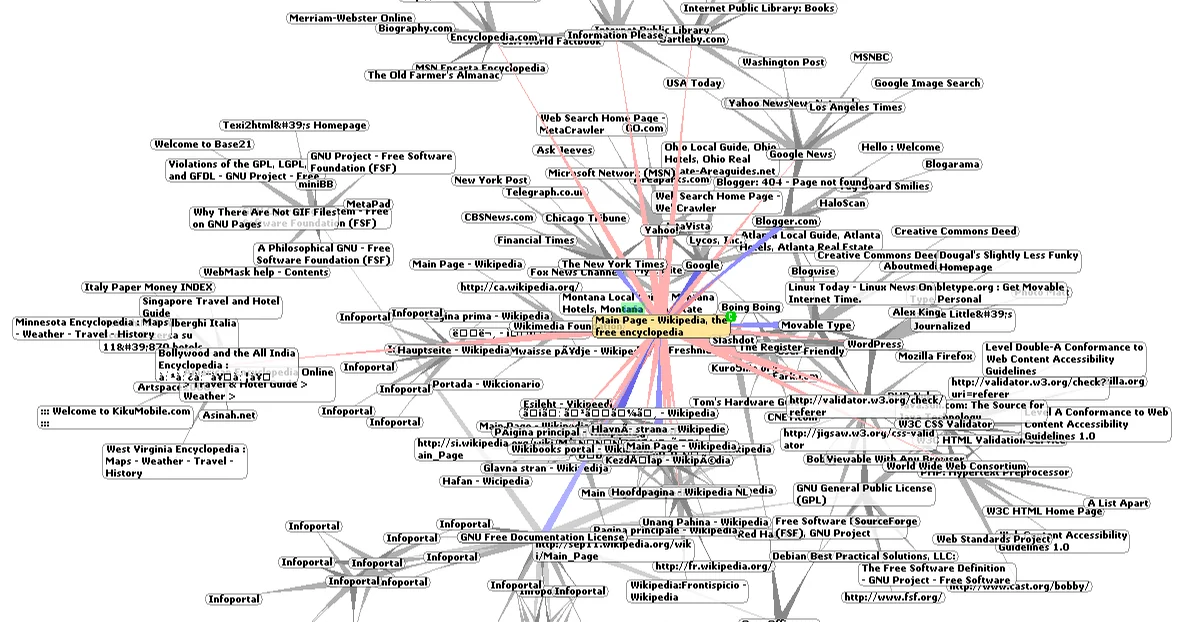
Most community builders measure retention by counting who is still around. That number matters, but it tells you very little about why people stay or why they quietly stop. A member who returns each week might be loyal, or might be waiting for a reply that never comes. A member who disappears after three weeks might have been bored, confused, or simply busy. This article takes a different angle: instead of starting with churn rates, start with the reasons a member currently has to come back, and check whether those reasons are still real. The method below is general and does not depend on any particular platform feature. It asks you to write down your reasons, test them against behavior, and adjust what you offer.
Write Down the Reasons to Return Before You Measure Anything
Every community offers some reason to return, even if no one has named it. It might be a conversation thread that gets answered, a creator who posts regularly, a peer group that meets on a schedule, or a resource members find useful again and again. The first step is to list these reasons explicitly. Write them as short statements: 'Members come back to see feedback on their work,' or 'Members come back to talk with peers at their career stage.' Aim for five to eight reasons. If you struggle to produce more than two, that is itself a finding.
Once listed, sort each reason by who it serves. Some reasons serve members who want to learn, others serve members who want social contact, and others serve members who want visibility for their own work. A community built only around one kind of reason will lose members who need a different one. This sorting also shows you where you have concentration risk: if nearly every reason depends on a single creator's presence, the community is fragile in a way the member count will not reveal.
Translate Each Reason Into an Observable Signal
A reason to return is only useful if you can see whether it is working. For each item on your list, ask what behavior would show that members are getting that value. If the reason is 'feedback on work,' the signal might be the proportion of posts that receive a substantive reply within a set period, or the number of members who post a second piece after receiving feedback on the first. If the reason is 'peer conversation,' the signal might be repeated interactions between the same members over several weeks rather than one-off replies.
Be careful with vanity signals. Reactions, view counts, and total posts can rise while the underlying value falls, because a community can become noisy without becoming useful. Prefer signals that require effort or reciprocity, such as a reply that continues a thread, a member who returns to a conversation they started, or a question answered by someone other than the original poster. These are harder to produce artificially and closer to the actual reason people return.
Run a Reason Audit Against Recent Member Behavior
With your reasons and signals defined, pull a sample of recent member activity and check each reason. Choose members who joined at different times and who differ in how active they are now. For each one, note which reasons appear to be working for them and which show no evidence. You are not diagnosing individuals. You are looking for patterns: if members who joined in the last month have not encountered the feedback reason at all, your onboarding does not expose it, regardless of how valuable it is for veterans.
Keep the audit short enough to repeat. A practical version is a simple table with reasons as rows and recent member cohorts as columns, with a rough tally of whether each cohort shows the signal. Repeat it monthly. Over several cycles, you will notice which reasons hold up and which decay. A reason that works for long-tenured members but never reaches newcomers needs a different entry path, not more of the same content.
Ask Members Directly, and Ask the Right Questions
Activity data shows what members do. It does not show what they expected. Short direct questions fill that gap. Useful ones are specific: 'What did you hope to get from this community when you joined?' is better than 'How are you finding things?' Follow up with a question about the gap: 'Has that happened yet, and if not, what got in the way?' Members who have drifted often answer more candidly than active members, so include them in your outreach, and keep the request brief.
Be honest with yourself about how you use the answers. If several members name the same unmet expectation, that is a strong signal to revise the reason or the path to it. If answers are scattered, you may be serving too many different intents at once, which is a common cause of mid-tenure fading. Document what you hear and what you change, so you can tell later whether a change helped.
A Practical Checklist for Your Next Retention Review
Use this sequence once a month. First, confirm your list of reasons to return is current and sorted by member intent. Second, check that each reason has at least one observable signal that is not a vanity metric. Third, sample recent activity across at least two cohorts and note which reasons show evidence for each. Fourth, identify the single reason with the largest gap between what you promise and what members experience, and decide on one change to test. Fifth, write down the change, the date, and the signal you will watch.
Limit yourself to one change per cycle. Changing several things at once makes it impossible to learn which one mattered. Over time, this discipline builds a record of what keeps your particular members engaged, which is more useful than any general benchmark you could borrow from elsewhere. Retention is rarely solved by a single intervention. It is maintained by repeatedly checking whether the reasons to return are still reasons, and adjusting them when members tell you, through their behavior and their words, that they no longer are.